FROM A LAND OF TIC TACS, TO THE DIGITAL AGE

Many of you will have read, no doubt, of an overpayment made to a ‘customer’ at York races. The overpayment amounted to ten times what the punter had won, and he stuck his hand out, without shame, to collect what wasn’t due to him

To me? Well, it was what online we can, and do win, in a dog race, in terms of cost. But to the long standing member of staff on track, it was a crushing incident. Calling his integrity, and competence, despite an unblemished record, into sharp question.

Of course, any question of malfeasance on the part of any member of my team, is fanciful. Not up for debate. Predictably, a few twitter idiots tried to portray it as such. Some will say anything for effect. What angered me was the blazen manner in which this ‘customer’ took the money, without care for the effect on my people. It’s morally wrong. And for those who argue on Twitter for fairness between bookmaker and punter? Two blacks never have made white.

I was going to call out the punter, we have seen him before, and we will see him again no doubt. He needs to know what decent people think, and plenty weighed into the debate in that vein. And we will pursue him, until he does the right thing.

There were a few who speculated, without foundation, as to the lawful position here. Some argue that what amounts to theft is excusable, because it was gained off of a bookie. For those interested, the law of legal restitution would guarantee the return of funds handed out, which were errant. You cannot just accept monies not due to you. Romantic notions dispelled.

What was notable even graphic was the level of vitriol from mostly anonymous twitterati. It was clear some people had posted the comment I made on Twitter in various football, and bot trading based forums, and the like, and the anonymites came out in force to vent.

Of course almost none of these individuals bet with me either on track where this occurred nor online. Most of those who commented gamble, however. They were venting into modern bookmaking attitudes. Nothing personal from many.

Most gambling these days takes place between three or four supergiants in the betting world controlling more than 90% of the market so we as independence of very much are very much hostage to their behaviour. We are tarred with the same brush. Yes, there is some common ground in the world of online between Geoff Banks Online, for example, and Bet365. But the crossovers in behaviour are modest. For instance, we pick up the telephone to clients, and we are not licensed in China

Punters these days broadly fall into two categories, and we must understand why so many are disaffected.

The first is what one would describe as genuine punters, some of whom profit from their gambling, by a combination of skill and hard work. Analysing form and beating the bookmaker essentially on their odds. I fully understand and sympathise with this group of gamblers when they complain that they are either not paid on time , or cannot get their bets on because they are winners. 

Bookmakers should expect people to win off them – after all it is a win and lose game. But times have changed and today’s corporate bookmaker has grown decidedly cynical. They view their business much like an accountant, only answerable to shareholders, and short term gain. This of course has made them ambivalent to the criticisms they so often receive, in this vein.

Little wonder the modern brand of anti gambling zealots prosper in such an environment, both gamblers, and media won’t support what they see as a predatory industry. 

But is it as simple as the evil gambling empire, and we are all callous? Because if bookmakers reduced their bottom line, restricted less punters, would our PR improve markedly?

The short answer is no. The problem has become insurmountable.

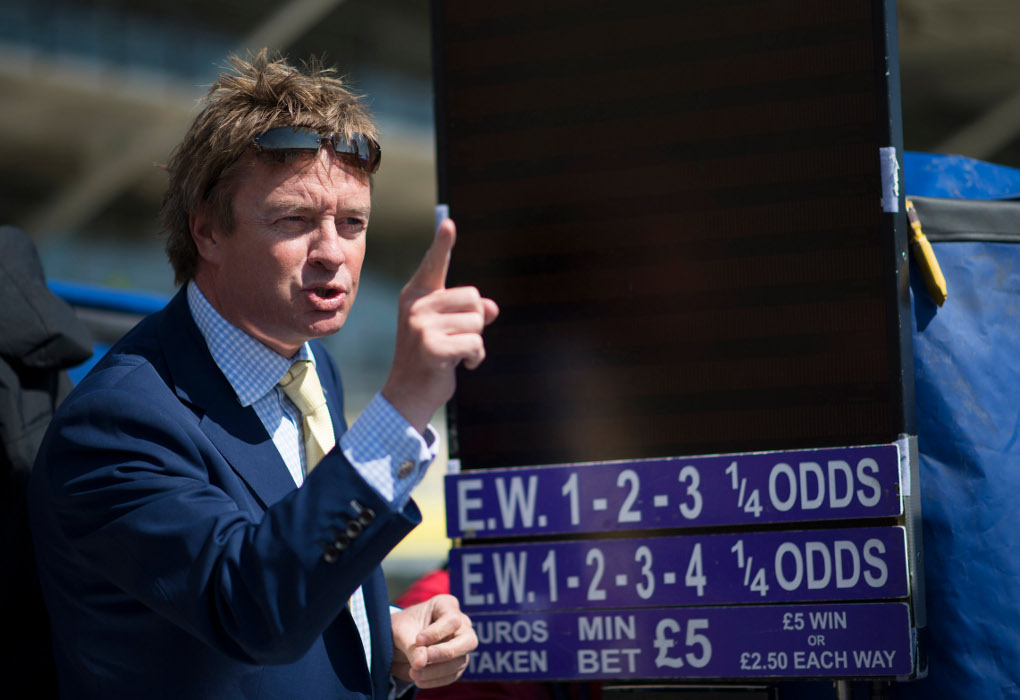
As an independent we do not banish winning customers to the ether. It is simply bad policy,and we accept both winners and losers equally, because we know in balance we are still going to make substantial profit. To some, such a statement appears without logic, but it is central to our business plan. Annually some 30% of our client base show a profit. On track at York, we were the ONLY bookmaker betting to a 1/4 the win odds in handicaps, with the same win odds. Noone praises us for acting different.

There is a second group however that has grown up with the advent of betting exchanges, trading tools, and advanced websites highlighting bookmakers odds in real time, using scalping bots, to gain a commercial edge. Our odds are compared against the exchanges to the second against exchanges. These tools are highly advanced and give these bot traders a massive competitive advantage against the modern day bookmaker, and to retain them as customers would be commercial suicide full stop.

In Broad terms people employing these methodologies, whichever is there favoured trading medium, from actual software, to whatsapp groups, almost 100% guarantees the user a long term profit by beating the bookmaker on odds in every trade. This never used to be true. To understand the problem, you need to accept this point.

To put bot trading into perspective it’s like walking into Waitrose filling up your shopping trolley every day and walking out without paying, and expecting the supermarket to welcome you with open arms for the rest of time. 

For big corp employing highly advanced trading software to counter bot traders, they can readily identify such individuals extremely quickly, sometimes before the user places a bet! For the Independent sector, however, we are mostly down to a system of hand management of accounts. Over the years my own company has become far more skilled employing Excel based tools and the like to analyse our customers pattern of behaviour, not only to control their gambling levels, but also to identify customers who routinely best the firm at the odds. With experience – comes experience.

And when you beat the bookmaker consistently and we are talking not less than 90% of every wager that is placed,  you will profit in your gambling, sometimes very substantially

My point in this is to explain to people that aren’t very informed about gambling these days that the world has changed. the age of Tic Tacs and bookmakers that never turn down a bet, died when the betting exchanges exploded into the market and created an army of bot traders, with opportunities to guarantee profit from every bet they placed. How this is managed, by the users concerned, is up to the user. Some play the long game, and accept losses, as would a bookmaker, but by consistently beating the odds, they generably create more wealth than straight up arbing

I sometimes hear some media types, who throw a blanket over the entire community of gamblers, as if they are all victims of predatory tactics. This is an incredibly naive stance. The world of bookmaking is fundamentally different since Steven Little took on all comers. It is an online product, and matters are governed by sophisticated online practices, on both sides. Elements of the media and racing pods need to wise up.

So how do we, as a company, deal with such traders, many of whom of course are a collection of accounts amassed quite often by one individual. This is the practice known as ‘multi-accounting.’ People being paid so a super trader can gain access to many bookmaker accounts. The advanced trader, in this case garnering many clone accounts can make hundreds of thousands of pounds, even millions, in profit every year.

It is a constant battle between today’s bookmaker and these super traders to expunge them from our systems. It is a new war, with new rules

My own company policy is never to offer a wager to any individual which is insulting. Such as I hear about constantly. The Bet365 – £3.65 joke. What we will seek to do is control when such accounts can wager at earlier prices thereby levelling the playing field, to such a degree that the trader loses his commercial advantage over us. The job of the bookmaker is to lay the right price, for the weight of money and selection. If todays cyber tools mean that even an army of staff working our website cannot begin to compete with the bots scanning our markets and pages in real time, every market and selections (there are 165 betting opportunities in every premier league game for example) then we have to manage such customers by limiting their access to odds, until nearer the ‘off.’ They still get a bet on, and a decent one, but at a fair market price, reflective of the w.o.m. My business ethos is to lay a bet. Not lay a bet at the wrong odds over 90% of the time. 

There will, naturally, be the odd village idiot, who argues that bookmakers should ‘lay every bet at the price advertised.’ Such individuals, residing in the cesspit that is Twitter, haven’t morphed since the world wide web appeared

Of course when we time manage an individual account on prices-we very often find the account becomes inactive because the commercial advantage has been removed. It is incredibly rare that we close an account, nor make them starting price only

Are some people caught in this bot trader net unfairly – when they are genuine hard working form judges? Yes there will be examples of individuals like that, who have been restricted.  The system for eradication of bot traders isn’t bullet proof.

How accurate are we in practices to hold such customers to later odds? In practice it proves, in the vast majority of cases to be a very easy case of management. Most traders beat the odds in 100% of cases. They’re greedy. Or part of a multi accounting group, where the tricks are a constant across the community – like fake utility statements. It is childlike in its approach, but for them, ‘profit at all costs’ is the mantra. They’re not so different from the bookmakers they criticise, for ‘restricting’ them

Most customers in practice disappear quietly off to another gambling firm after a change of account terms, but some individuals inevitably turn to Twitter to vent their frustration at an avenue of income which has now been closed down.

When they do, to protect their identity to other bookmaker targets, they choose anonymity. Now you can say what you like about gambling companies and their practices, and very often the ventings are riddled with expletives and insults! They follow each other, with like minds. They become inured to their point of view. Everyone they follow agrees with them, except me, of course, i’m afraid I don’t follow the narrative of silence which grips other gambling companies


So I understand the vitriol from both quarters, who couldn’t care less if we gave some punter too much money. The circumstances I have outlined above have created an environment in which bookmakers have never been so unpopular.  I don’t condone some of the behaviour of big corp, and those that view that follow me no I am highly vocal at what I see as unfair business practices from time to time, but all bookmakers, to differeing degrees, simply have to remove certain elements from their books, in the online world.

But let us be absolutely clear about one thing in the world of betting exchanges the age old battle between bookmaker and punter has radically changed, and not for the better

Inevitably there will be a few individuals who will claim they are not traders that they’re particularly clever that beating the bookmakers odds through skill. Such folk tell each other they’re ‘punters.’ which in many cases is a fantasy.

I’m afraid in that regard you are on a losing wicket because as the decades have gone past bookmakers have become highly competent in spotting bot traders. When you beat the odds 100% of the time? That’s neither luck nor skill on your part, or incompetence on the part of the bookmaker. A price can change in a dog card in a second from 5/1 to 5/2. Digging out that rick for a bookmaker faster than an exchange can change is practicably impossible.

So, I hope the above is helpful. I accept the vitriol will continue, from some. Like a car driver, flicking V signs from the relative anonymity of their vehicles, Twitter offers a platform to swear at the world, even if you’re normally ‘quite a nice chap’

It is time for everyone to grasp the nettle of realism, because the practice of management of those engaged in any form of trading isn’t going to end soon. I see some argue for a minimum bet offered rule. This may well solve the issue for some folk, but for all it would certainly lead to a huge rise in market overrounds. Basically everyone loses. I believe in competitive odds, plenty of returns to my customers. That is what keeps people fully engaged

Related, I would comment on one other, rather uninformed debate. In forty years of bookmaking, I’ve never avoided paying out for any return, that includes those who amuse themselves with the Sheffield greyhounds tale. Those punters, – well more accurately multi accounters, were settled. Several individuals backing 5 different dogs in yankees at the same time and odds, aren’t random. People got paid however, and it amuses me to see some individuals naively chatting about something they have little knowledge thereof. One should take caution in what you post online ‘as fact.’

It suited business to keep those operating multiple accounts guessing, that if they were dug up, their bets would be rejected, although in practice we pay up and move them on. I’ve chosen not to comment, the topic grew dull some years ago

But I say this to anyone thinking of landing big coups at flapping dog tracks, by the use of multiple accounts? There’s always the danger you might not get paid. We have rules and we keep them simple. If you expect the bookie to play fair, Then you have to accept some simple rules for the digital age, and not act as if they shouldn’t apply to you

one man – one account

Good luck to all
A BLUEPRINT FOR RACING

    A BLUEPRINT FOR RACING


Several months ago I listened to the CEO of Coral, Andy Hornby, give a keynote speech to executives at the Leaders In Racing conference.

‘Racing and Bookmakers should work together to make profit for both’ It brought tears to my eyes. ‘Our data suggests a third meeting every day increases turnover by 30% and those meetings should start around midday, this is when people break for lunch and can pop into a betting shop to wager’ He went on to muddy the words ‘turnover’ with ‘profit’. Most businessmen accept that the two don’t always go hand in hand- especially when we’re discussing gambling – but let’s not spoil a good wheez shall we?

Andy-Hornby


‘The ideal format has Racing approximately ten minutes apart throughout the day. Our analysis suggests more races equals more profit’

Now, for brevity I’ve paraphrased the main thrust of his argument as to re-hash any speeches at that conference puts you to sleep. But you get the idea. Of course this view is peddled by a small army of PR men from the Barking outfit every five minutes on Attheraces. Rather cleverly Coral have become the biggest sponsor in Bookmaking for racing. They do have considerable influence, one they pay for.

Of course, I also readily accept that the same argument will be peddled by William Hill, Ladbrokes and Betfred. I enjoyed a chat last week at Ascot with the Chairman of the Levy Board. A most personable chap who told me I was the first Bookmaker to advocate a cut in fixtures. This suggests some of those in authority in Racing, whenever we are talking about betting, only consult the same five firms! (if we include Betfair of course.) There are opposing – and sensible views. We are responsible for just under 20% of the market  – that merits consideration

Turnover and market share is down in racing, so let’s deal with the problem by putting on more racing, in the worst slots, and work with reduced field sizes.  I think most people readily agree it lowers the quality. That’s demonstrably wrong. Let me explain

You see, the empirical evidence paints a completely different picture. At the foot of this report, I invite you to view the presentation by Jennifer Owens, a research consultant for Aspire Wealth, tasked with investigating the state of the Racing and Betting market globally. Again I spare you the full details, but let’s deal with comments affecting Andy Hornby’s argument.

‘Since 2006 Great Britain is scheduling more races. Whilst amounts wagered between 2006 and 2013 have dropped dramatically. In the period between 2001 and 2012, the number of runners per race fell from 11.6 per race to 9.3. Sports betting in the meantime grew from 58% to 72% between 2003 and 2013. Hong Kong, with its competitive fields and less racing was the standout performer worldwide for betting on racing. Indeed that state’s turnover on horse racing remained constant despite a 30% increase in sports betting in the territory’

She goes on ‘The most striking example which was quite damaging to British Racing was the introduction of gaming machines into UK betting shops. FOBT’s account for 38% of gross win in the UK – just as well they are limited to four machines per shop.’ The lady took no prisoners.

Fixed odds betting terminals

Jennifer continues ‘There is evidence that field sizes and turnover are correlated – at least in the negative. The greatest declines in turnover have been witnessed in the US and Great Britain since 2006, and in these markets the field sizes have dropped dramatically.’ ‘In many markets Racing has become disconnected from Betting.’ In broad terms racing governance doesn’t engage the right type of people to maximise it’s output and we need to turn around the field size problem urgently in her expert opinion.

Anyway I digress. What conclusion can we draw from this intelligent appraisal? Well if her numbers are correct, and I think it’s reasonable to suggest they are, Andy Hornby is talking out of his corporate backside. The global view on betting doesn’t in any way support his stance that more racing engenders more levy. Quite the opposite. In fact the most successful state for betting in the world only races six times a month. Hong Kong.

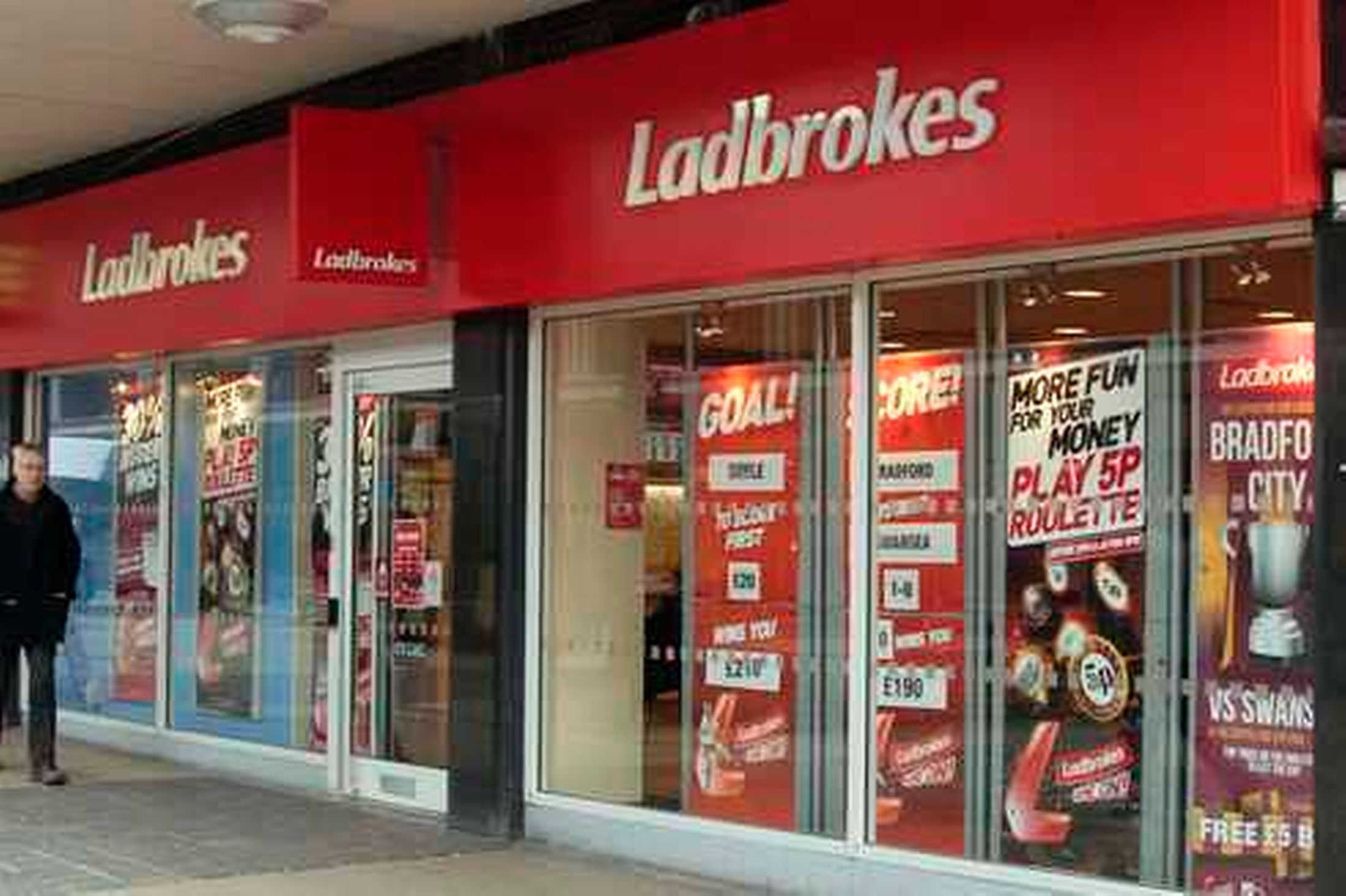
Let’s put it simply, and honestly. Racing needs to tell the Bookmakers where to get off. You see our great sport is a vital cog in their wheel. If racing doesn’t fill the ten minute gap Andy requires, he will simply turn to another product to make the place look busy. Greyhounds, virtual, Australian and French racing are all fit for purpose here. British Racing doesn’t have to prostitute it’s product in order to keep shops open. Gross win across the counter has been dropping between 5%-6% since 1998 and there’s little doubt the major operators focus their advertising on machine take- not racing. So why are we bending over for organisations who don’t promote the sport? Or perhaps you draw a different inference from the picture which typifies these companies.

lbo2

I don’t know about everyone else, but I do know my turnover on the far better funded Irish Racing runs at around 9% of my racing turnover – yet it’s ill-considered as a product against the British one,  timing of the races are not synchronised with their UK equivalent, nor do we earn levy from wagering upon it. That seems fairly odd to me.

Will some shops close? Inevitably. But let’s not kid ourselves, these are the worst performing money factories, often competing with other LBO’s in the same street or district and whose machine gross win (typically industry wide figure of £3600 per week per shop) is unable to support the unit in some areas, where the FOBT take is insufficient. This is natural forces and we shouldn’t be wailing if a few of them go to the wall. Proliferation of betting shops isn’t about racing. We’re not going to improve our levy yield because we have another shop 200 yards away, most people can struggle that far for a bet. Hell, I bet Newham would be thrilled to see a few less squeezing into their High Street.

The period between 2002 and 2008 with fixtures growing from 1270 to 1548 and a levy yield which also grew modestly fooled some folk.  Those years actually witnessed a decline in the numbers of people actually going racing, not only per fixture, but overall . The new meetings were in unattractive slots. They diluted competition in racing by spreading the available horse population more thinly. Some tracks found they were in fact weakening their own other fixtures. If people aren’t going racing- they sure as hell aren’t betting. We’ve lost the impetus and this is no more illustrated in racing than the depressed state of the On Course market. Racing to empty stadia has become rather par for the course with ticket prices people simply do not want to pay by cynical management. Selling ’empty space’ with a notable lack of effort. Put another way – racing is heading to the dogs and become reliant on festivals. Pass the port will you?

Tracks are guilty of putting on events without thought or involvement for the production of competitive fields and the size thereof. 38% of all races are won by the favourites, 2 in every 5 races! That’s a fantastic statistic and evidence of the transparent nature of the sport.Not only are the favourites the legitimate ones, but lets face it, the drifters run appropriately as unscrupulous connections take advantage of a no lose opportunity! Little geo-location of fixtures is evident, in order that the available local horse population, and attendances, could service the same. We do not properly consider the cost of staging fixtures like Ffos Las- which even if it’s a self funded two mile hurdle race with two fences hundreds of miles from civilisation, still has a significant attaching integrity cost to operate.

Finally, and perhaps most damaging, racetracks have shifted fixtures from their traditional midweek slots to weekends. To include many premier races. The Stewards Cup. The Ebor, The Derby, and more. All moved from midweek slots where they were the focus of most newspapers and TV networks as well as general sporting fans, to ones where racing found itself competing with England vs Costa Rica. Simple for Racetracks- a disaster for the profile and numbers of the sport. Expect RMG to argue over loss in income, although it both ignores the cost involved in racing to empty stands and the the sheer lack of data backing their stance. Footfall and beer sales are all furthered by Saturday racing. We glibly criticise Channel 4 for poor viewing figures when we feed them a diet of 5 runner races. Although I agree – the burger van HAS to go 🙂

Such moves put top racetracks in direct competition with each other. Ascot, Britain’s premier course regularly competes with York for coverage and exposure. Our Champions Day sees Cheltenham competing with Ascot for coverage. It’s not unusual to witness these three top courses rivalling Chester and Newmarket along with sundry smaller tracks for attention.

july

In what other industry would you create a programme so devoid of interest midweek? A bit like Waitrose emptying its shelves of fresh vegetables and offering us tinned plums instead.

As a business plan, Saturday focus demonstrably fails the quality test. Our best racing in direct competition to top sport, particularly football and rugby. We have a Derby opposed by 8 other meetings on the same day! Let me stress this, Lingfield just down the road opposes the Derby.

Punters, those who shall not be heard, have been telling me for several years now they tire of the glut of racing.  Newspapers and TV networks to include the BBC have dropped the sport in part or whole. Racing Journalists are getting laid off. Put very simply we’re boring the pants off people and running the sport into the ground to keep Coral in machine take and racetracks putting the sport on in front of nobody. An industry servicing machines

This isn’t our game face surely? Positively it’s one the BHA Chairman, who’s emerged from hiding and appears now to want to address with his new consultation into the fixture list. If required I will be part of any quorum and/or meeting or analysis to press this case.

This consultation will inevitably bring the sport into conflict with the likes of Tony Kelly and Simon Bazelgette et al. They’re not likely to give up the easy dollars they earn annually from media rights with jewels like Kempton and Southwell, with arguments like what will we lose rather than what does it cost.  The media rights cake envisaged in 2018 won’t be a patch on what they’re earning right now if we continue on the path of 6 runner races and odds on chances. Bookies won’t peddle an unprofitable product riddled with favourites hosing up through lack of competition. There’s evidence right now the betting share for racing is well down. So what are we selling the bookmakers, or rather more pertinent – asking them to sell for us?

It does require the turkeys to vote for Christmas as things currently stand and forego an element of beer sales. There appears to be a view if we put up 38 grand we’ll end up with a quality Brigadier Gerard. In fact we ended up with a short field, odds on chance event. In betting terms it’s useless.. It’s not JCR’s fault and I’m not suggesting that. There are, quite simply, far too many opportunities for our wealthiest owners and a racetrack focus on such owners. They’re not turning down the 38 grand- they know they’ll get it somewhere else..  We’re looking after the top horsemen. All very well, but what happens to betting in such races?

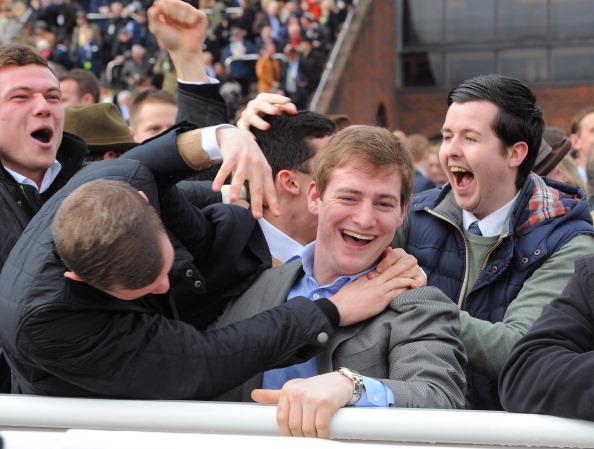
Racegoers celebrate after the William Hi

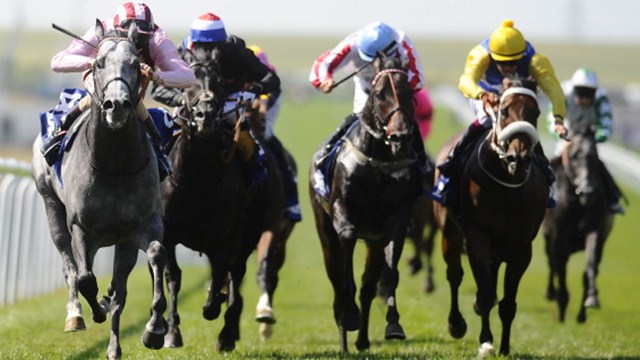
The juggernaut that is British Racing is finally starting to recognise that any way you cut it, 1548 fixtures is simply far too many. We can tinker with the planning but we’re not going to make the product that much more competitive which is what both bookies and punters want. We also have to properly consider the effect of small fields on interest abroad. I would settle for a modest cut for now to examine the impact on field sizes. I think most would.

I have absolutely no clue why we accept a jumps programme so geared upon four days in March. The power of best trainers, has to be curbed and measures put in place to insist our top animals race in front of paying customers and telly and not afforded racecourse gallops by pliant courses. I’m constantly amused by stories from Seven Barrows of athletic and evidently agrophobic pets only fit to work 3 times a year. Send the buggars out to work.  NH suffers from some of the lowest fields in the sport and we need seriously to look at the abandonment of summer jumping completely in favour of the winter. It never used to take place in August and I fail to evidence the compelling reason for it now. Betting turnover on summer jumping in racing is extremely poor (typically lower than AWT). It’s an area of the programme that needs to be sacrificed

I chatted to several of my on course peers after Ascot. It’s readily accepted the meeting was a complete disaster for Bookies generally – expect a few profit warnings! What was remarkable was that most of my colleagues betting at Ascot actually turned a profit, when they should have done their brains! These days to turn up as a Bookie, post general market odds and stand back waiting to see who backs what, is a recipe for failure on course. Most of the larger concerns find betting on course impossible because they don’t ‘trade’ the wagers on exchanges. It’s a total necessity if you are to make racecourse bookmaking pay as a business. However the much wider industry still continues to accept prices that more often than not mirror exchange odds, and can be based on some individuals betting win only, or a fifth of the odds on a 16-21 runner handicap.

gb5.jpg

At the midweek and sundry ‘weaker’ meetings the on course market has become excessively weak and totally ruled by exchanges for their prices. I watched a major operator’s rep at York run around recently telling folk he wasn’t going to invest with certain organisations because they weren’t in the 20 firm ‘sample’ that’s used to return odds to the LBO’s. Therefore for such organisations to control a particular horse’s SP, they only have to wager with the ‘sample’ organisations, and ignore the other 90 bookies. It costs but a fraction of what it used to, to move the SP of a runner at a major track like York. At the weaker meetings like Kempton, frequented by the smallest weakest bookmakers, it’s pathetically easy with but a few grand to influence prices. What self-respecting bookmaker is going to turn down £300 from the majors when they’re only holding that much per race? Manipulation on the cheap. And a market and exchange so easy to control these days doesn’t encourage laying.

I do think we are long past the time where the potential profits from a healthy industry are governed by a deeply unhealthy one. That is the on course market. They simply need to be excised from current arrangements. I’ll use a dirty phrase. Industry prices. At the end of the day, they are more representative of the weight of money. The days of John Banks and Colin Webster in trilbies and shades standing horses for £30,000 are long gone and so are the arrangements put in place in those days for producing a fair SP. It no longer represents the industry. I believe the major Bookmakers – tote and exchanges all need to be part of a new mechanism, not Martyn of Leicester – he of the plastic shoes. Next time I go racing- I fancy I’ll be stoned alive. Fair enough, it’s better than the results

To the racecourse Bookies I say this. As the off track prices inevitably dip – so the on course market’s odds become more attractive to punters. A path to new business. We neither need, nor deserve to be part of a mechanism when there’s only a handful of us, betting to pennies and following cyber betting bots.


Kick these suggestions around


A maximum of two (Levy and Media Rights) funded premier events on any day.


Premier events to be incentivised to move from Saturday slots with appropriate increases in rights and levy


Racetracks to be penalised with total loss of funding for production of races under 5 runners.


Racetracks to be rewarded with increased payments for producing field sizes exceeding 10 runners


Racetracks funding to decrease for each race containing an odds on favourite and increased for any race where the favourite goes off at 5/1 or better.


No All Weather racing to be programmed in the summer in opposition to key festival events such as the Derby


Summer jumping programme to be scrapped for two months.


Race planning to fully consider Geo location factors


A minimum number of qualifying events for entries for Cheltenham


A modest cut of 100 fixtures

BHA to create a betting forum with representatives from both large and small Bookmaking concerns, punters and racetrack management with mandate to improve betting turnover on the sport

SP Mechanism to exclude racecourse bookmakers and to include the major 6 operators to include the Tote and Betfair in a new mechanism based on the weight of money

 Coral to reintroduce the blonde to their adverts. It was the only betting advert worth watching..


coral

These plans will affect income streams of some and put other people’s noses out. I’m not, however in the business of making myself popular amd I think my chances of making the Jockey Club are a bit slim 🙂  Of course I understand some of us turn left on aircraft and don’t worry about what’s happening in the back of the plane. How much it costs, whether they’re drinking from a real glass, and what film, if any, they’re enjoying. But such individuals must be viewing the approach of 2018 – when the Turf TV contract expires with firms like William Hill with some trepidation. If you’re sitting there thinking the racing is ‘terrific’ and Bookies should pay more for the product because they have offshore wings making bundles out of the sport, you need to excuse yourself from the room. UK Racing is, quite simply, the weakest betting product globally. Let’s not get snobbish about betting – it’s the engine that drives the sport.

These suggestions will have racecourses reaching for their calculators and the big Bookmakers shuffling their PR crews out to protect ‘their’ business model. The argument shops will close if we don’t come ‘to the rescue’ simply isn’t the case. The strongest product for bookmakers remains horses – and the better quality that is, the better for LBO’s. Of course the measures are quite radical, but I think we have to accept a degree of surgery. Next time you pass your local betting shop – see what they’re peddlng in the window. Right now – it isn’t Racing

You have a voice. Use it

Geoff Banks

June 2014

Link

http://www.archk2014.com/en/2014-arc-video-06052014.aspx